
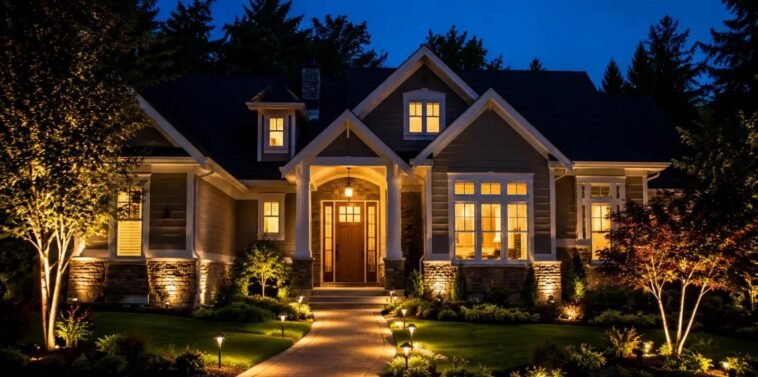
Your home may look beautiful during the day, but what happens after the sun goes down? Without the right lighting, attractive landscaping, garden features, walkways, and architectural details can disappear into the darkness. Landscape lighting gives you a way to enjoy your property's best features even after sunset. Whether you have a modest front yard in Medina or a spacious outdoor area in Hudson, thoughtful lighting can make a noticeable difference. In this guide, we'll explore practical outdoor lighting ideas, explain what to consider when planning an installation, and show how you can create a welcoming nighttime appearance without overspending.
1. Why Landscape Lighting Makes a Difference
Your outdoor space shouldn't become an afterthought once the sun sets. A well-planned lighting arrangement can highlight the features you enjoy during the day while making your property feel more inviting at night.
Landscape lighting is about more than adding brightness. It's about deciding which areas deserve attention and using light to create a comfortable balance between illuminated spaces and darker surroundings.
Here are some benefits worth considering:
- Improve curb appeal: Highlight your home's exterior, landscaping, and architectural details.
- Make outdoor areas more inviting: Create a welcoming atmosphere around patios, gardens, and seating areas.
- Improve visibility: Illuminate selected walkways, steps, and entrances.
- Highlight landscaping: Draw attention to trees, shrubs, flower beds, and other outdoor features.
- Enjoy your property longer: Make selected outdoor spaces more comfortable to use after sunset.
For example, a homeowner in Fairlawn might have a beautiful front garden that becomes difficult to see at night. A few carefully positioned lights can bring attention to the plants and add depth to the home's exterior.
The goal isn't to illuminate every corner of your property. A thoughtful arrangement often looks better than placing lights everywhere.
Want to explore professional options? Visit our landscape lighting services page to learn more about lighting possibilities for your outdoor space.
2. Seven Landscape Lighting Ideas to Transform Your Outdoor Space
You don't need an elaborate outdoor design to make your home stand out. Even a few strategically positioned lights can change how your property looks after dark.
Here are seven landscape lighting ideas worth considering.
1. Highlight Trees and Large Plants
Trees can become attractive focal points when illuminated from below. This technique, often called uplighting, directs light toward the trunk, branches, and canopy.
It works particularly well for mature trees, ornamental trees, and distinctive landscaping features.
For example, a homeowner in Hudson with a large tree near the front entrance could use carefully positioned lighting to make it a nighttime focal point.
2. Illuminate Walkways and Garden Paths
Dark walkways can make it difficult to see where you're going, especially when entertaining guests.
Path lighting can help define garden paths, walkways, and selected areas around your property. Low-level fixtures are often a practical choice because they provide visibility without overpowering the surrounding landscape.
Consider illuminating:
- Front walkways leading to the entrance
- Garden paths
- Steps and changes in elevation
- Paths connecting patios and outdoor seating areas
For a home in Copley, lighting a winding garden path can make the landscaping more noticeable while helping visitors navigate the space.
3. Highlight Your Home's Architectural Features
Your home's architecture can provide excellent opportunities for outdoor accent lighting.
Consider highlighting stone columns, textured walls, entryways, decorative features, or distinctive exterior materials.
For example, a home with a stone front entrance in Medina could benefit from subtle lighting that brings out the texture and depth of the stone.
The key is to focus on one or two architectural features rather than illuminating the entire exterior equally.
4. Add Lighting Around Patios and Outdoor Seating Areas
If you enjoy spending time outside, your patio deserves attention.
Outdoor lighting can help create a comfortable setting for family gatherings, evening conversations, and outdoor dining.
Consider lighting around:
- Patio edges
- Seating areas
- Outdoor dining spaces
- Nearby garden beds
- Selected architectural features
A homeowner in Aurora who enjoys hosting summer gatherings might benefit from a combination of soft accent lighting and functional lighting around the seating area.
Choose fixtures and brightness levels that suit the activity. A relaxed seating area doesn't necessarily need the same illumination as an outdoor cooking space.
5. Create a Welcoming Entrance
Your front entrance is one of the first areas visitors notice.
Lighting around the front door, porch, steps, and nearby landscaping can make the entrance more inviting. It can also help distinguish the main entrance from other parts of the property.
For example, a home in Stow might combine existing porch lighting with subtle landscape lights around the front garden and entrance walkway.
Try to create a balanced appearance rather than relying on one extremely bright fixture.
6. Highlight Garden Beds and Flowering Areas
Your garden doesn't have to disappear at night.
Small accent lights can highlight selected plants, decorative shrubs, flower beds, and landscaping arrangements. The best results usually come from choosing a few features rather than trying to illuminate every plant.
For example, a homeowner in Bath could use outdoor accent lighting to highlight a landscaped garden near the driveway or front porch.
Remember that plants grow and change throughout the seasons. Fixture placement should account for future growth and routine garden maintenance.
7. Combine Landscape Lighting With Year-Round Exterior Lighting
Landscape lighting can complement other exterior lighting features around your property.
For example, you might use landscape lights to highlight garden beds and trees while incorporating permanent roofline lighting for seasonal displays and other occasions.
These systems serve different purposes, but they can work together to create a more coordinated exterior appearance.
If you enjoy decorating for different holidays, explore our permanent holiday lighting options to see how year-round roofline lighting can complement your outdoor design.
3. How to Plan Landscape Lighting Without Overspending
One common misconception is that professional outdoor lighting is only suitable for large or expensive homes.
That's not necessarily true. You don't have to illuminate your entire property to create an attractive result.
The most practical approach is to start with the areas that matter most to you.
Prioritize your lighting areas
Before requesting an installation, walk around your property after sunset and identify the areas you'd like to improve.
Consider these priorities:
- Front entrance: Make the main entrance more visible and welcoming.
- Walkways: Identify dark paths, steps, and areas where additional visibility would help.
- Landscaping: Choose one or two trees, shrubs, or garden features to highlight.
- Patio: Consider how you use your outdoor seating and entertainment areas.
- Architectural details: Identify exterior features that deserve additional attention.
You can discuss these priorities with your installer to determine which areas should be included in the initial project.
What affects landscape lighting costs?
The final price depends on several factors, including:
- The number and type of fixtures
- The size and layout of your property
- The complexity of installation
- Wiring and electrical requirements
- The type of lighting system selected
- Additional accessories and controls
For example, lighting a small front garden may involve different equipment and installation requirements than illuminating a large property with multiple walkways and mature trees.
Ask for an itemized quote so you understand what is included. If your budget is limited, discuss whether the project can be completed in stages.
Monthly payment plans through Wisetack may also be worth exploring through Trimlight by Wonderly Lights. Ask about current eligibility, available terms, and the total financing cost before making a decision.
Ready to discuss your budget? Request a personalized quote and find out which landscape lighting options make sense for your property.
4. Choosing the Right Outdoor Landscape Lighting
When planning your outdoor lighting, consider how the fixtures affect the surrounding environment. Brightness, light direction, and operating schedules all matter. DarkSky International recommends five principles for responsible outdoor lighting: use light only when needed, direct it toward the intended area, avoid excessive brightness, use appropriate controls, and consider warmer light colors. You can explore its Five Principles for Responsible Outdoor Lighting for additional guidance when planning your landscape lighting design.
Here are some common lighting techniques to discuss with your installer.
Uplighting
Uplighting directs light upward toward trees, architectural details, and selected landscaping features.
It's useful for highlighting vertical elements and creating visual depth.
Path Lighting
Path lights are positioned along walkways, garden paths, and selected outdoor routes.
They can help define walking areas while adding a decorative element to your landscaping.
Downlighting
Downlighting directs light downward from an elevated position, such as a suitable tree location or architectural structure.
It can create a softer lighting effect across selected ground areas.
Accent Lighting
Accent lighting focuses attention on a specific feature, such as a decorative plant, stone wall, garden sculpture, or architectural detail.
For example, a homeowner in Cuyahoga Falls might combine path lighting near the front entrance with accent lighting around a landscaped garden.
You don't necessarily need every lighting technique. The best combination depends on your property, preferences, and budget.
5. Can Landscape Lighting Handle Northeast Ohio Weather?
Outdoor lighting in Northeast Ohio needs to be selected and installed with changing weather conditions in mind.
Homeowners in Hudson, Medina, Fairlawn, and surrounding communities experience seasonal conditions that can include rain, snow, ice, freezing temperatures, and summer storms.
These conditions make product selection and installation quality important.
Before choosing an outdoor lighting system, ask about:
- Outdoor ratings: Are the fixtures designed for their intended outdoor locations?
- Moisture protection: Are connections and electrical components protected against water exposure?
- Temperature suitability: Can the equipment operate within the expected seasonal temperature range?
- Installation methods: Are fixtures and wiring installed appropriately for the property?
- Maintenance: What inspections or upkeep does the manufacturer recommend?
- Warranty: What protection applies to the equipment and installation?
For example, a homeowner in Medina should ask how ground-level fixtures and their electrical connections will be protected from moisture and seasonal ground conditions.
It's also important to consider landscaping changes. Plants grow, soil shifts, and garden layouts can change over time.
Professional planning can help reduce avoidable installation problems, but no outdoor lighting system should be considered completely maintenance-free or immune to severe weather.
6. Will Outdoor Landscape Lighting Increase Your Electricity Bill?
Electricity costs are another concern for homeowners considering a new outdoor lighting installation.
The actual expense depends on the equipment, wattage, number of fixtures, operating hours, and your electricity rate.
LED lighting is commonly used for outdoor applications because it can provide illumination with relatively low power consumption. However, actual savings depend on the system being compared and how frequently the lights are used.
How to estimate electricity usage
You can use this simple formula:
Electricity cost = (Total watts ÷ 1,000) × Operating hours × Electricity rate
For example, imagine a hypothetical 60-watt landscape lighting system operating for five hours each evening over 30 days.
- Total power: 60 watts
- Daily operating time: 5 hours
- Monthly operating time: 150 hours
- Monthly electricity consumption: 9 kWh
- Assumed electricity rate: $0.16 per kWh
- Estimated monthly electricity cost: $1.44
This is an illustrative calculation, not a quote or an estimate for a specific Trimlight system.
Ask your installer for the actual wattage and recommended operating schedule so you can calculate the expected cost more accurately.
Timers, scheduling features, and suitable controls may also help you manage operating hours. If your lighting system includes app-based controls, ask for a demonstration before installation so you know how to adjust the settings.
7. Make Your Northeast Ohio Home Stand Out With Professional Lighting
The right outdoor lighting plan should reflect your home's architecture, landscaping, lifestyle, and budget.
A homeowner in Hudson may want to highlight mature trees and a front garden. Someone in Fairlawn might prioritize the front entrance and walkway, while a family in Stow may want a more inviting patio for evening gatherings.
There isn't one design that works for every property.
Before choosing an installer, consider these questions:
- Can the installer assess my property's layout?
- Which areas would benefit most from lighting?
- What fixtures and lighting techniques are available?
- What maintenance should I expect?
- Are there options that fit my budget?
- Can I expand the lighting arrangement later?
A professional consultation can help you understand the possibilities without committing to more lighting than you need.
Trimlight by Wonderly Lights helps homeowners explore exterior lighting options for their properties in Northeast Ohio. Whether you're considering a simple garden lighting arrangement or a broader exterior lighting project, the first step is understanding what works for your home.
You can also visit our Trimlight by Wonderly Lights homepage to explore our services and learn more about available lighting solutions.
Ready to improve your home's nighttime appearance? Contact Trimlight by Wonderly Lights to discuss your landscape lighting goals and request a personalized quote.
Frequently Asked Questions About Landscape Lighting
What is the best landscape lighting for a residential home?
The best landscape lighting depends on your property's layout and the features you want to highlight. Path lights work well for walkways, uplights can showcase trees, and accent lights can draw attention to architectural details. A combination of techniques can create a balanced nighttime appearance.
How much does professional landscape lighting cost?
Landscape lighting costs vary depending on the number of fixtures, property size, equipment, wiring, and installation complexity. A small garden project will have different requirements from a complete outdoor lighting installation. Request an itemized quote to understand the costs and available options for your home.
Is LED landscape lighting worth it?
LED landscape lighting can be a practical choice because it offers efficient illumination and is available in different brightness levels and color temperatures. However, the best option depends on your lighting goals, product quality, and budget. Compare equipment specifications and operating costs before choosing a system.
Can landscape lighting stay outside during Ohio winters?
Outdoor lighting can be suitable for year-round use when the fixtures, wiring, and electrical connections are rated and installed for their intended conditions. Ask about temperature ratings, moisture protection, and maintenance requirements. Snow, ice, and severe weather can still affect outdoor equipment.
Can I install landscape lighting in stages?
Yes, a project can sometimes be planned in phases, depending on the system and installation requirements. You could begin with the entrance, walkways, or selected garden features before expanding to other areas. Discuss future expansion with your installer so the initial design can accommodate your longer-term plans.
Conclusion: Bring Your Outdoor Space to Life After Dark
Your home's landscaping, garden, walkways, and architectural features deserve attention after sunset, too. With thoughtful landscape lighting, you can highlight the areas you love, create a more welcoming atmosphere, and make better use of your outdoor spaces.
You don't need an elaborate design or a luxury-sized property to get started. A few well-planned lighting features can make a meaningful difference.
Ready to see what landscape lighting could do for your Northeast Ohio home? Get a personalized quote from Trimlight by Wonderly Lights and explore options that match your property, preferences, and budget.

